
The Last Stand

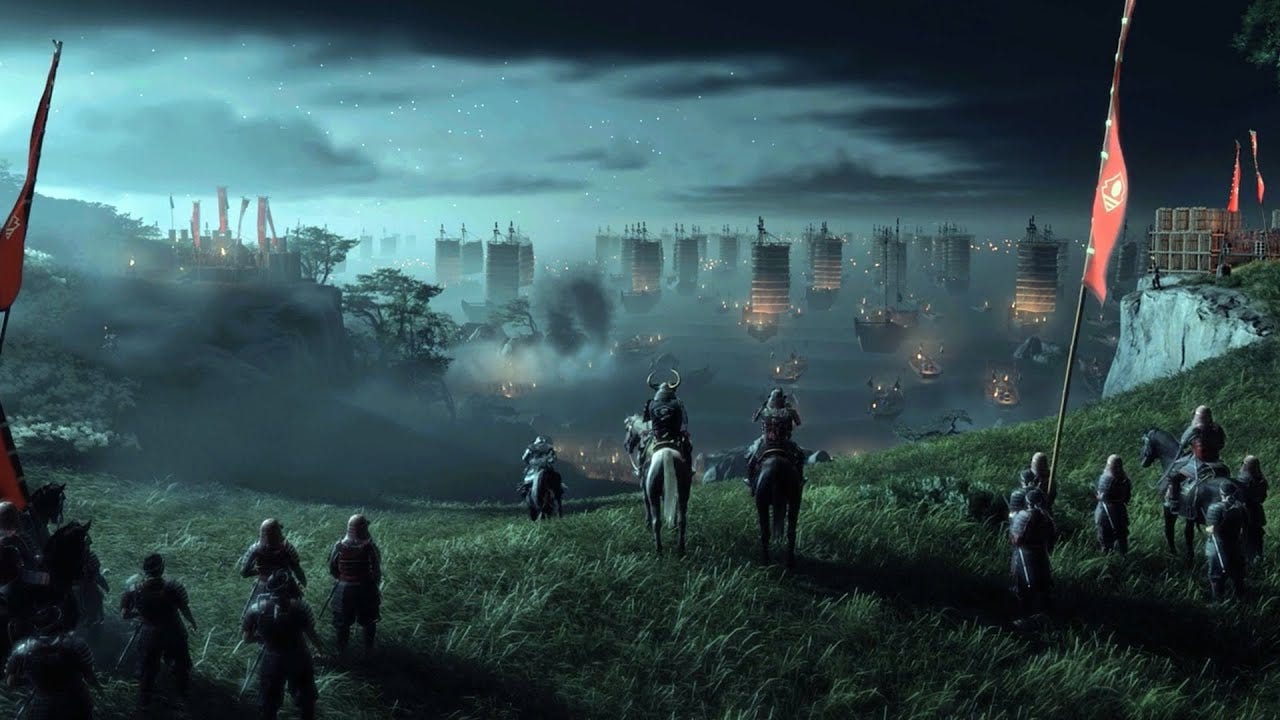
Most people can be great on their best day, when everything is going their way.
Actually… even that is not quite true.
Most people can’t manage to be halfway decent even when all circumstances favor them. But, relatively speaking, people can be at their best, whatever their best may be, when luck is on their side, and things are working out well for them. Yet, success is a poor indicator of who someone is at their core. If you really want to know someone, you should see how they step up under the worst possible circumstances, when they are exhausted, heartbroken, and frustrated beyond words. Do they become needlessly cruel? Do they break down and become unable to react in any way other than whining and complaining? Do they blame everyone else, rightly or wrongly, for their predicament? Does their character, which seemed unshakeable in formerly good times, crumble under pressure or does it hold?
History is, if nothing else, a massive laboratory of this exact psychological breakdown. It’s where we see individual character scaled up to the size of empires.
Today, I’d like to share with you some material taken from the beginning and end of a future episode of History on Fire.
One of the recurring topics in history that endlessly fascinates people is the mythology surrounding the Last Stand, which is usually taken to mean a battle in which a small force continues fighting despite facing overwhelming odds and little or no chance of victory.
Part of the power of this archetype rests on the idea that it’s one thing to be strong when you have reason to hope. It’s a whole different level of mental strength to stay in the fight when you have less than zero reasons to hope. Throughout my future episode, I’ll cover a whole bunch of case studies: from Benkei’s standing death to the tale of the 47 Ronin, from Thermopylae to the Alamo, from the Battle of Karbala to The Battle of Saragarhi, and passing through the Lakota hopeless war against the U.S. and many, many more examples.
The theme clearly resonates across most cultures and most ages. There are plenty of versions of it celebrated worldwide. Which raises the question… why? The first logical answer is that everyone admires courage, and it doesn’t get more courageous than people fighting against impossible odds. But this answer is as true as it is painfully obvious. I’d argue that there’s more to the story.
On some level, I’d venture to argue that the Last Stand isn’t simply some epic military engagement or just a historical event. It’s the fundamental human condition. Clearly, odds are that none of us will fight hundreds of thousands of enemies with a spear. When I say the Last Stand is the fundamental human condition, I don’t mean it literally. To me, the importance of the Last Stand is not tied to something that happened from time to time on a battlefield somewhere.
Last Stands are not the monopoly of ancient heroes, nor modern ones for that matter. Last Stands show up in the lives of every single one of us. It’s not a possibility. It’s a guarantee. For most of us, it’s a loved one dying of an incurable illness, and you have to be there for them even though you both know it’s a hopeless battle. It’s your own eventual demise. It’s all the times when life will put you in an absolutely desperate situation, in which a good outcome is not in the cards. This is something that we have all faced, are facing, or will face. So, it speaks to us on a deep level. Because it’s what life is about. In admiring the examples of those who faced doom with defiance and insane bravery, we are drawing inspiration for our own fights. Our own Thermopylae doesn’t wait for us in history books. It awaits us in daily life. And the question that all the examples of Last Stands invite us to ask ourselves is: how will we carry ourselves in the face of hopelessness?
P.S. If you enjoy this theme, look for a History on Fire episode on this in 2027.
Oh, yes. I don't think it even matters if it is history or fiction. This is why I really liked your John Brown series. Here are a few of my favorites... The last Indian War in North America down by Tule Lake CA when Captain Jack killed 55 soldiers without a single casualty. The episode of Gunsmoke where Matt Dillon takes off his badge to go get the guy who raped Miss Kitty and has a classic hand-to-hand brutal fight. Marshal Dillion is just about ready to be snuffed and a hundred people from town show up. The last scene in the movie Thunderheart. Dustin Hoffman in Little Big Man where he tells Custer that thousands of Indians are going to ride over that hill and kill every one of you. I want to hear every story you have like this, Daniele. Thank you.